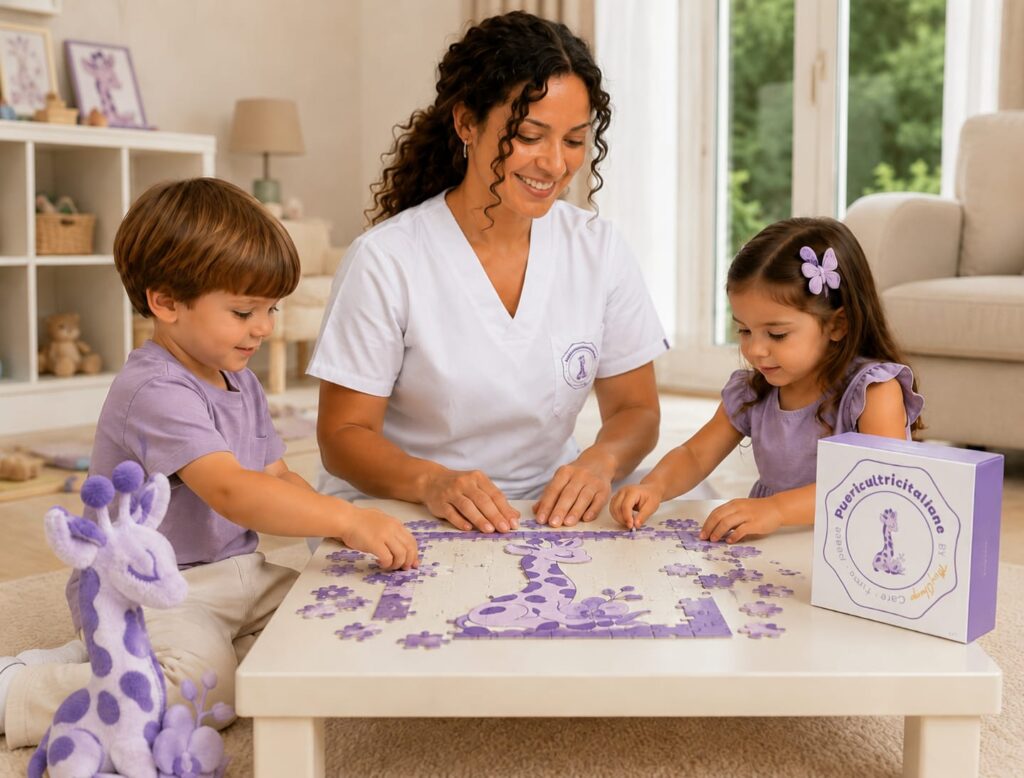

Children's tantrums: how to deal with them
How many times have you faced crying, screaming, kicking, pinching, naughty behavior, and desperate cries from your children? These are all those behaviors commonly called "tantrums," and when faced with them, we often don't know what to do or how to respond. Every parent has had to deal with this situation at least once in their lives, with varying degrees of satisfaction.
Well, there's no one-size-fits-all rule for all children, nor a standard response to these situations. It's important, however, to remember that every tantrum has a reason.
Therefore, the first thing to do is to observe carefully. Tantrums can have very different origins and intensities: they may simply be the expression of a need, such as hunger or sleep, or be fueled by a poor diet. In other cases, they may be a sign of stress, due to an unsettled atmosphere at home or at school, or they may manifest a deeper emotional distress. Depending on the cause, the approach to intervention will also vary.
One of the most effective approaches is to remain calm and not panic or rush to resolve the situation immediately, especially when the tantrum occurs in public or in the presence of other people.
It's important to maintain a firm, decisive tone of voice, without shouting, asking the child what he wants and needs, and encouraging him to talk to you. Look him in the eye and, if possible, get down to his height to feel closer.
This attitude helps reduce tension and allows you to maintain control of the situation, as well as strengthening your educational role.
Little by little you will notice that the baby will begin to calm down and that crying, screaming and uncontrolled movements will gradually decrease.
Once he has calmed down, calmly resume the conversation, taking his hand or gently placing one or both hands on his shoulders, continuing to look him in the eye.
Finally, when everything is calm again, hug him, smile, and talk together about what happened. Help him calmly explain what he needed and the reasons that led him to react that way.
The most important thing is to listen, pay attention, and teach children to talk to you, expressing their emotions in a simple and natural way.
Patience, a careful eye, and the ability to empathize are, in themselves, a valuable educational tool, especially in times of difficulty, but also in everyday life.
Of course, a tantrum should be ignored when the child uses it exclusively to obtain something he shouldn't have or to do something he isn't allowed to do.
Beach Games: Have Fun While Waiting for the Swim
Dear parents,
A problem that regularly arises every summer is how to entertain children during the classic, interminable three-hour wait before their much-desired swim in the sea.
To keep them busy and entertained, why not suggest one of the many games that can be organized on the beach?
Below I'll suggest just a few, but remember the possibilities are endless: all you need is a little imagination, creativity, and the desire to have fun with your kids. It'll also be a pleasant opportunity to escape the inevitable beach umbrella chatter.
Building castles… and more
Building a sandcastle is a perfect way to help pass the time. But don't stop at the castle: you can create any shape with sand. Let's unleash our children's imagination and get to work.
If the construction is particularly large, it will certainly attract the curiosity of other children, who could become new collaborators and, perhaps, new friends.
The Stick Game
Make a small mountain of sand and insert a stick into it, leaving about half of its length sticking out.
Each player takes turns removing as much sand as they want, trying not to drop their stick. Whoever drops their stick is eliminated.
The last player left in the game will be the winner.
It's a simple, fast and fun game that can be played as many times as you like.
Treasure hunt in the sand
Mark out a square of beach about one meter on each side.
A parent buries some objects of different sizes inside it, assigning a score to each.
The children, blindfolded, will have three minutes to find them.
Whoever scores the most points will win.
These simple tips are meant to remind you that:
- free play, even on the beach, is not the only way to have fun;
- Some beaches can hide small dangers, especially when they're new places you're unfamiliar with. Keeping children busy helps them avoid wandering off on their own out of curiosity.;
- Organized play encourages socialization and allows children to make new friends when they are away from their usual playmates.
Finally, never forget that you, parents, are the main architects of the quality of the time spent with your children.
HAPPY SUMMER TO ALL FROM YOUR MAY!